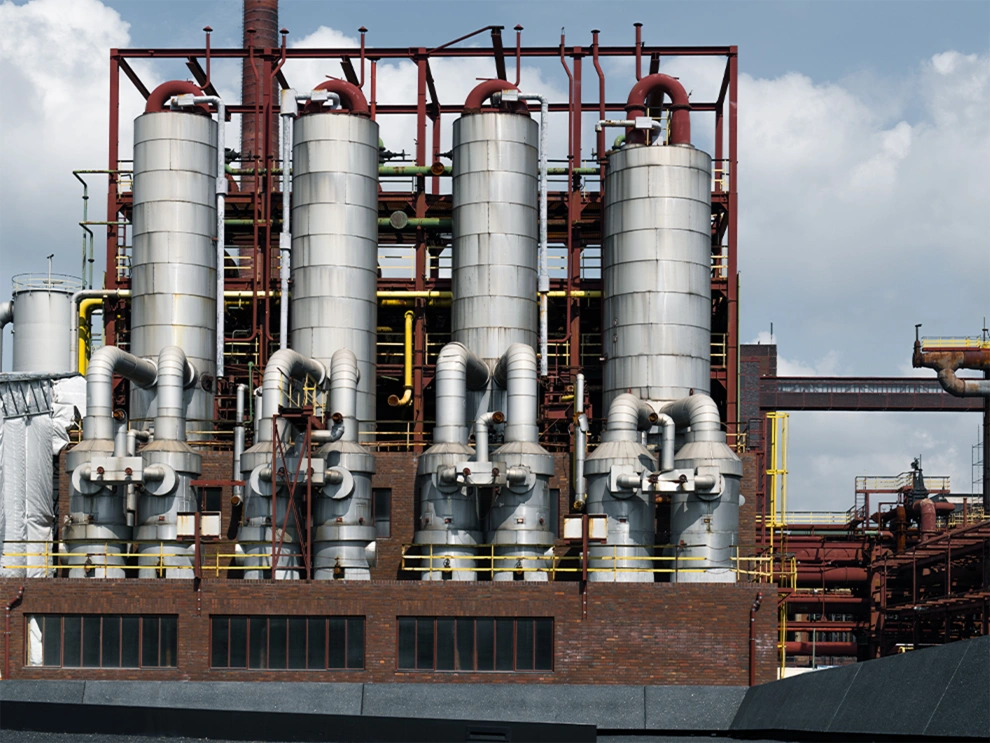
Pressure vessels and boilers bear extremely high risks to life and property, with industry standards at a “zero-tolerance” level. The core pain points are as follows: 100-percent qualification rate for X-ray inspection must be guaranteed; hydrogen-induced delayed cracks tend to occur easily during multi-layer and multi-pass welding of thick plates; for thin-plate liquefied petroleum gas (LPG) cylinders, brittle cracking is highly likely to take place in hydrostatic burst tests if mismatched-strength welding consumables are adopted.
By strictly limiting trace elements (S, P impurities) in welding wires and adopting moisture-proof packaging technology for fluxes, GUJIN® Consumables ensures deposited metal features ultra-low hydrogen (H5 level) and superior purity. Well-versed in “metallurgical complementarity”, we avoid blindly recommending high-strength products. Instead, we deliver optimal combinations with precisely controlled carbon equivalent and manganese-silicon ratio according to the steel plate thickness and service conditions of vessels.
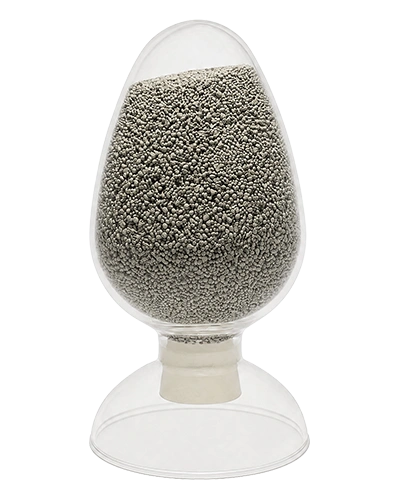
GJ-501 (Al-Ti type) + GJ-EL12 welding wire. Perfectly solves the plasticity issue under hydrostatic expansion, with slag peeling off effortlessly like shell stripping.
GJ-101G (fluorine-alkali type) + GJ-EM12K welding wire. Delivers outstanding crack resistance and -40°C low-temperature impact toughness.
In single-pass high-speed welding for LPG cylinders (HP295/SG295 steel plates), many ordinary factories mistakenly use medium-manganese welding wires, which results in cylinder burst cracking. We apply low-manganese welding wires to precisely suppress manganese infiltration from active fluxes, achieving an ideal balance between strength and plasticity, alongside excellent slag removal and bead formation for thin plates.